
vapes
Are Disposable Vapes the New Environmental Time Bomb?
Feb
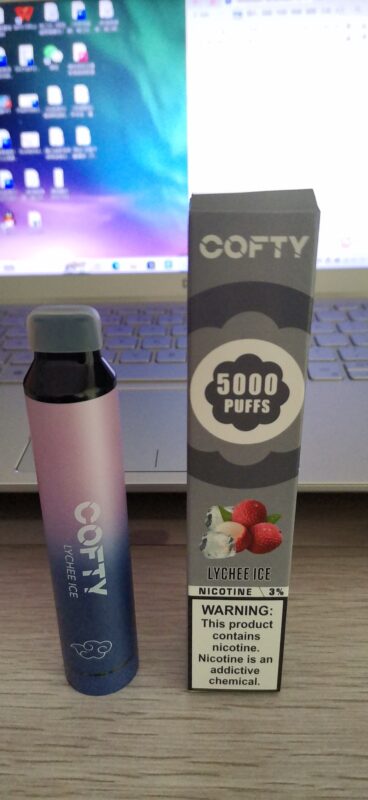
On sidewalks and parking lots across cities, small metallic shells glint in the sun – discarded disposable vapes, cracked open and abandoned. What appears to be minor litter is, in reality, compact electronic waste: lithium-ion batteries, microcontrollers, LEDs, sensors, and plastics destined for landfills.
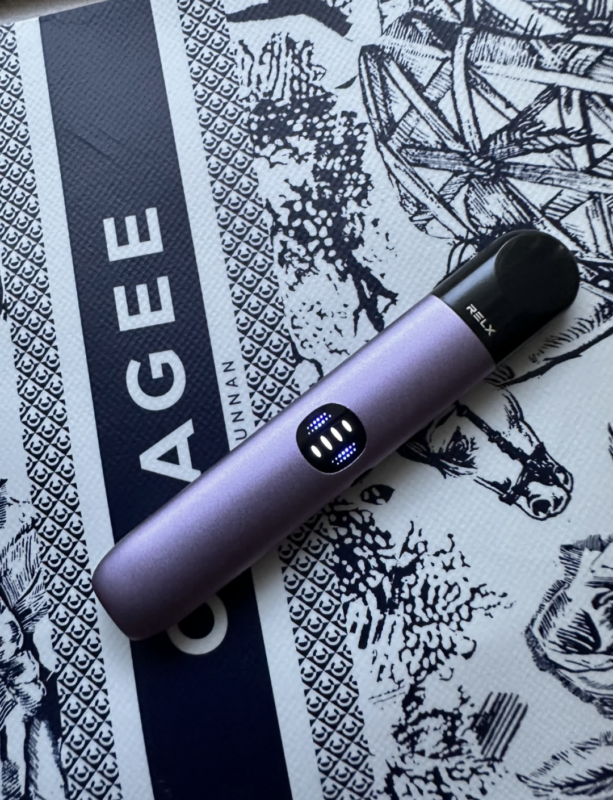
While traditional cigarette smoking in the United States has dropped dramatically – from 42.4% of adults in 1965 to 11.6% in 2022, according to the American Lung Association – the decline has coincided with a surge in vaping. For many users, cigarettes were not abandoned but replaced, or supplemented, with electronic alternatives. The unintended consequence is a new stream of technologically complex waste.
The Hidden Cost of Convenience
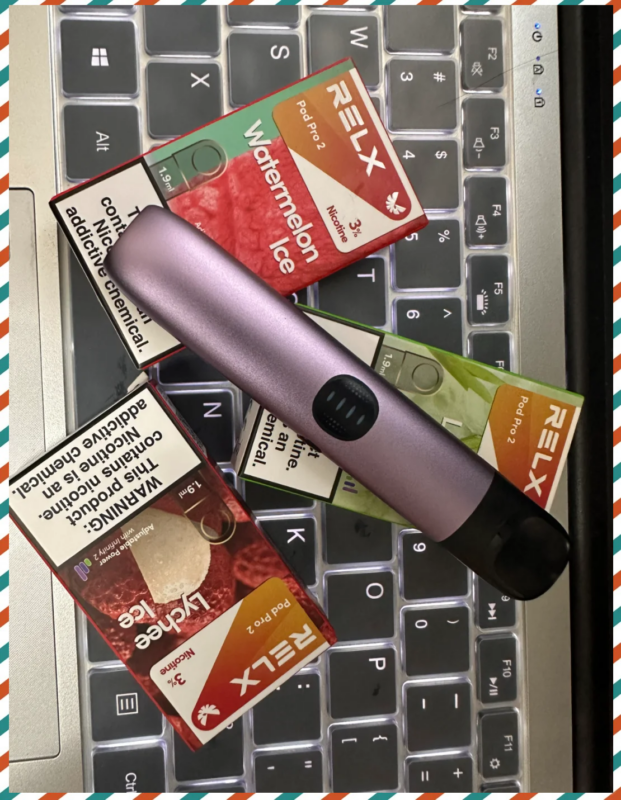
Disposable vapes are often marketed as sleek, self-contained devices meant for brief use. Yet inside their compact casings lies a surprising level of sophistication: rechargeable lithium batteries, pressure sensors, circuit boards, and sometimes even Bluetooth capability or miniature screens. Many are engineered to last mere days before being discarded.
Globally, electronic waste has reached staggering levels. The United Nations reported 62 million metric tons of e-waste generated in 2022 – an 82% increase since 2010 – with projections climbing sharply toward 2030. Disposable vapes contribute disproportionately to this growing burden.
In the United Kingdom, lawmakers have moved to ban single-use vapes in response to environmental concerns. In the United States, however, more than 11 million disposable devices are reportedly sold each month. Once emptied of flavored nicotine liquid, they are frequently thrown away – batteries and all. Lithium-ion cells, when damaged or improperly discarded, increase the risk of landfill and waste facility fires.
Fire crews in Stafford, England, recently responded to a house fire traced to a disposable vape’s lithium battery. Although the blaze was extinguished and a dog rescued safely, the incident underscores a broader concern: these compact devices carry concentrated electrical risk.
Turning Waste into Sound
Not everyone sees discarded vapes solely as trash. In New York City, a trio of designers and educators – Kari Love, David Rios, and Shuang Cai – formed the Paper Bag Team to repurpose spent devices into experimental musical instruments.
Working primarily with the EB BC5000 model from Elf Bar, the team transforms used cartridges into “Vape Synths.” Retaining the original battery, case, charging circuit, and pressure sensor, they add a speaker and photoresistors. When a user draws breath through the mouthpiece, the original airflow sensor activates an oscillator circuit, producing sound. Covering the photoresistors alters pitch and tone, creating an ocarina-inspired digital instrument.
The project, described in Wired, is intentionally playful – its sound imperfect and whimsical. The creators call the effort “upstream salvage,” aiming not to solve e-waste outright but to provoke imagination and highlight how much reusable technology is embedded in so-called disposable products.
The Chemistry of Modern Vaping
Beyond environmental concerns, product formulations have grown increasingly complex. Some disposable devices now contain cannabinoid blends designed for relaxation or sleep, such as combinations of Delta-8 THC, CBD, CBN, and CBC. Delta-8, generally milder than Delta-9 THC, is often marketed as delivering a softer, less intense psychoactive experience.
These formulations are typically described as calming rather than intoxicating – promoted toward consumers seeking subtle relaxation rather than heavy euphoria. Flavor profiles, often floral, citrusy, or tea-like, add to the curated sensory experience. Yet the sleek packaging and mild branding can obscure the pharmacological reality: these remain psychoactive products with evolving research and regulatory oversight.
Regulation and Reinvention
In Mississippi, a 2025 law reshaped the state’s vaping market by restricting which electronic nicotine delivery systems could be sold. Manufacturers were required to certify compliance with federal standards or pending authorization from the U.S. Food and Drug Administration.
Some companies introduced products containing lab-created nicotine alternatives, including substances marketed under names like Nixodine. These compounds are promoted as nicotine substitutes, yet their long-term health effects remain largely unstudied.
Health educators warn that minor changes in branding or packaging may mask significant alterations in chemical composition. Consumers accustomed to familiar device designs may not immediately recognize what has changed inside.
Health Risks and Public Awareness
Vaping aerosol can contain formaldehyde and heavy metals such as nickel, tin, and lead – substances linked to lung irritation and developmental risks in younger users. Experts emphasize that “healthier than smoking” does not equate to “safe.”
Confusion compounds the issue. Warning labels may vary depending on whether a product contains nicotine or an alternative compound. Slight brand name shifts may signal ingredient changes. Without careful review of packaging and ingredients, consumers may unknowingly experiment with newly introduced chemicals.
A Disposable Future?
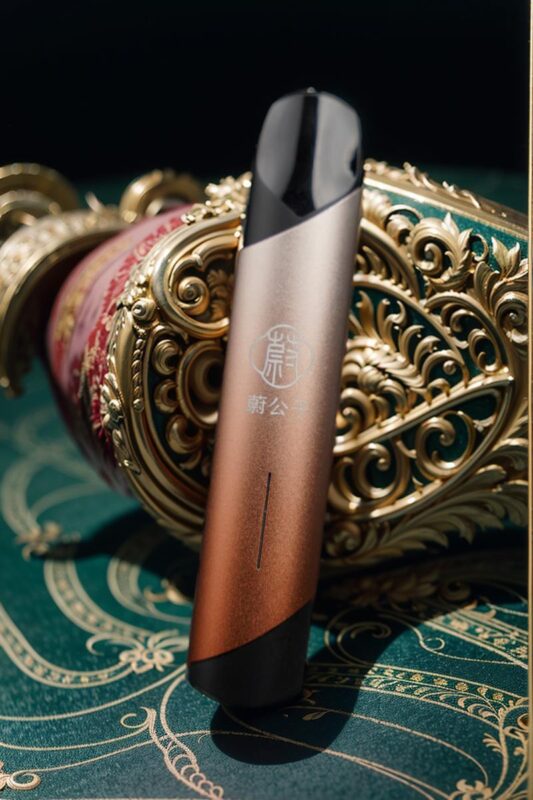
Rechargeable, reusable systems present a more sustainable option than single-use devices, potentially reducing battery waste and landfill accumulation. Yet the market continues to favor convenience – sleek, sealed units designed for effortless replacement rather than repair.
The contradiction is stark: devices engineered with advanced electronics, rare minerals, and rechargeable power sources are being manufactured for brief use and casual disposal.
